









Beyond the stand: what it takes to win in the Middle East
By Donavon Wood, Chief Commercial Officer, Formation Global
The biggest thing that surprised me about exhibiting in the Middle East was the pace and the ambition.
When people outside the region talk about Dubai or Riyadh, there can still be a tendency to describe them as emerging markets. Having lived and worked in the Middle East for two decades, I can tell you that description is now considerably out of date.
Dubai and Riyadh have become genuine destination markets for the global exhibition industry. The scale is part of it; events such as GITEX, LEAP, Dubai Airshow, Arabian Travel Market, The Big 5 and World Defence Show are not simply getting bigger year on year. They are becoming strategically important platforms where governments, sovereign entities, global businesses and major regional players come together to make decisions, form partnerships and signal where industries are heading next.
What was once an additional stop on an international exhibition calendar is, for many brands, now one of the most important stops on it.
What European brands consistently get wrong
One of the most common mistakes I see European brands make when they first come into Dubai or Riyadh is assuming that what works in London, Paris or Frankfurt can simply be transported across.
The brand may be global. The audience is not generic.
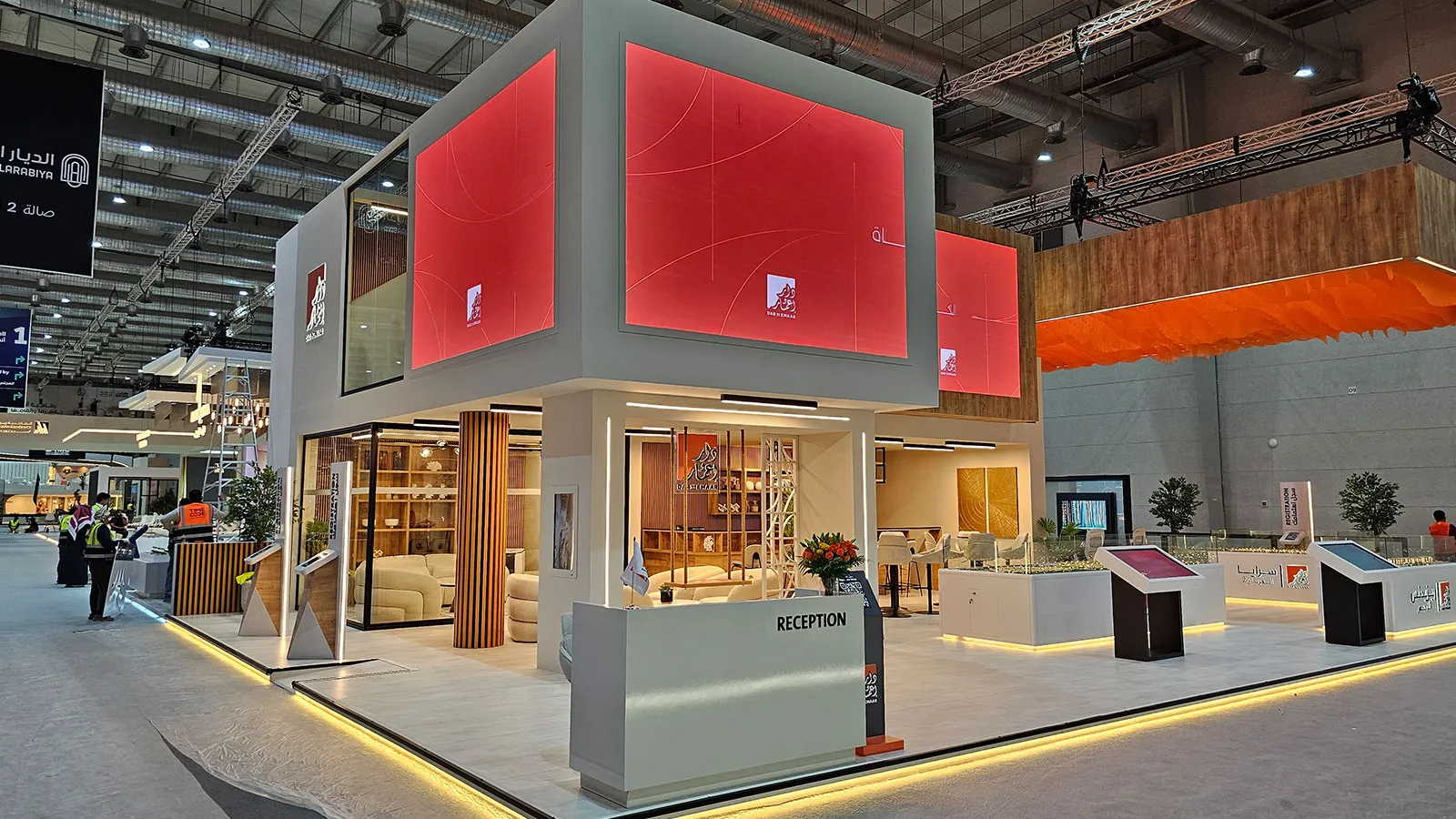
Sometimes that mistake shows up creatively – a stand designed without properly considering the regional audience, the cultural context or how the space will actually be used. Sometimes it is operational, where companies underestimate the importance of local knowledge, local approvals, local suppliers and local relationships. And sometimes it is commercial, where teams arrive expecting the same sales process, meeting structure and decision-making timeline they are used to in Europe.
The Middle East is a sophisticated and fast-moving business environment, but relationships carry weight in a way that is qualitatively different to most European markets. I have built my network in this region on relationships and I consider that, more than any other single factor, to be what determines success here.
People want to know who they are doing business with. Trust, reputation and personal connection matter enormously, particularly on larger projects involving government, semi-government or sovereign-backed organisations.
You cannot parachute into the region for three days, build a stand and believe you understand the market.
What cultural fluency actually looks like
Cultural fluency, in my experience, is not about memorising a list of etiquette rules. It is about understanding the environment well enough that you instinctively know how to operate within it.
That starts with listening. Understanding who the stakeholders are, how decisions are likely to be made, and where the sensitivities sit – around hospitality, hierarchy, protocol, language and presentation. It can be as straightforward as knowing how guests should be received on a stand, or as nuanced as managing a space where senior government representatives, VIP delegations and multiple stakeholder groups are moving through simultaneously.
There is also a meaningful difference between operating in the UAE and Saudi Arabia. They are neighbouring markets with obvious similarities, but they are not interchangeable. Riyadh has developed at an extraordinary pace and there is genuine appetite for ambitious, high-quality experiences. But agencies working there need real local understanding, not an assumption that a UAE operating model can simply be copied across the border.
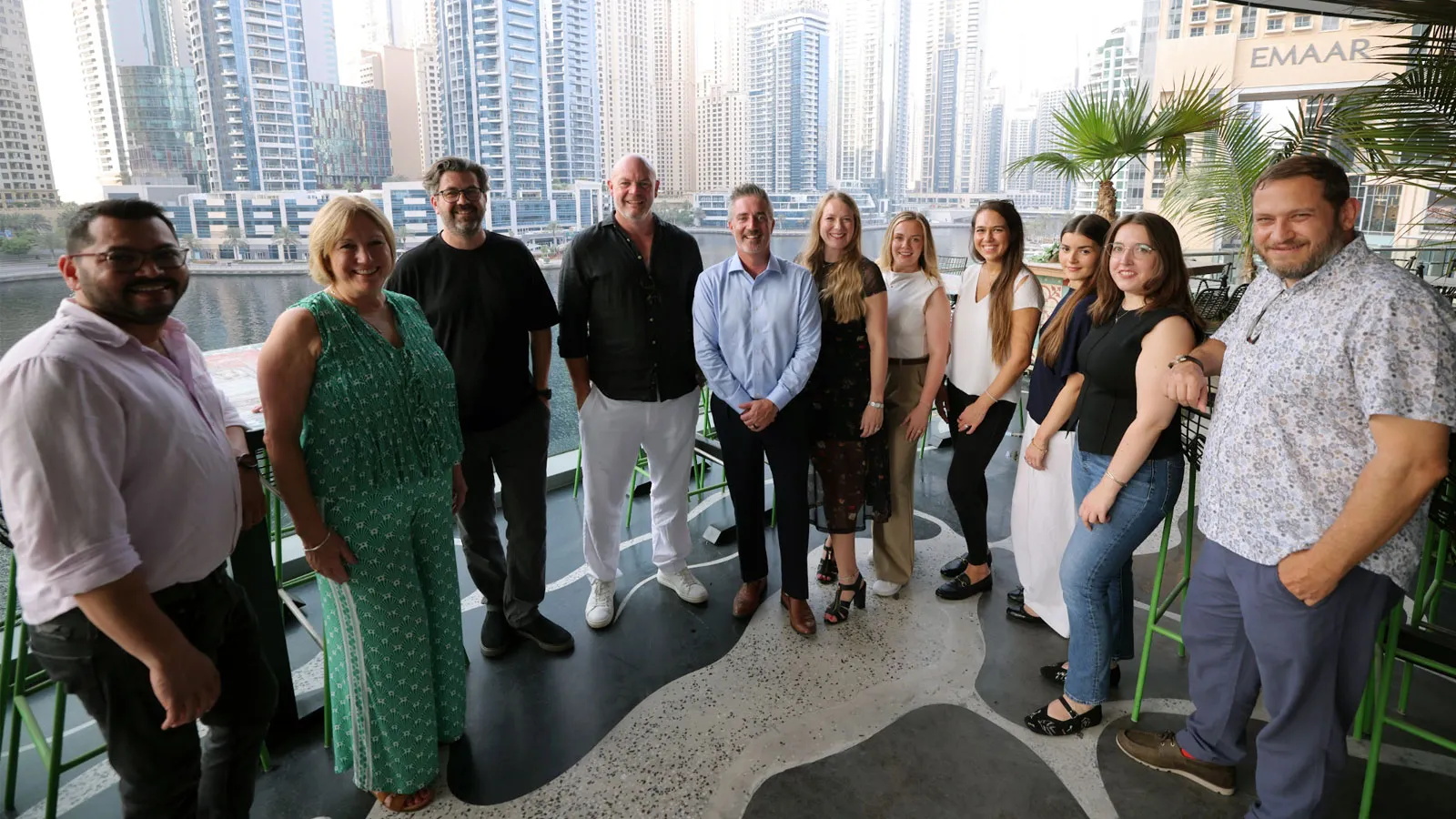
That is why having people on the ground matters so much. Formation’s UAE and Saudi teams are not there simply to manage production. They understand the venues, the suppliers, the organisers and the broader business culture. And that knowledge is often the difference between a project that looks good and one that genuinely works.
I have also noticed a significant evolution in what clients are asking for. The conversation has moved from exhibition stand specifications to questions about orientation, journey, storytelling and what a space communicates before a word is spoken. That is a meaningful shift, and it reflects the growing sophistication of the market.
The opportunity most international brands are still missing
The biggest opportunity I see is this: too many international brands still treat Gulf exhibitions as isolated events rather than part of a long-term regional strategy.
The calendar is becoming increasingly connected. A business might appear at LEAP in Riyadh, GITEX in Dubai, Dubai Airshow and World Defence Show… but the real opportunity comes when those individual appearances become part of a consistent regional presence. The Middle East rewards commitment. Brands that invest time in the market, build relationships and return consistently develop far more momentum than those that arrive once with an ambitious stand and disappear again for twelve months.
The investment flowing into the region makes this more compelling, not less. Saudi Vision 2030 continues to transform entire industries. The UAE remains one of the world’s most commercially connected markets. Together they are generating exhibitions and major events across defence, aerospace, technology, AI, fintech, sustainability, healthcare and beyond. And the quality of what clients are asking for is rising in parallel.
Increasingly, clients are not asking for exhibition stands. They are asking for environments, hospitality, content, technology and experiences that create meaningful conversations and represent their brand at the highest level.
For agencies that can combine genuine regional understanding with international creative and delivery standards, there are very few exhibition markets in the world offering the same opportunity right now. The ambition is enormous, the expectations are high and the pace of change is relentless.
But for those willing to invest in being genuinely present – not just logistically, but commercially and culturally – the Middle East remains one of the most rewarding markets in the world to work in.
I speak from experience. Twenty years of it.
Get in touch
Tell us about your project or upload an RFP
Other ways to connect